

Prefilled syringe
Your Leading Pre-Filled Syringe Supplier
Chongqing Zhengchuan Pharmaceutical Packaging Co., Ltd. is an enterprise that is professionally engaged in research, development, and production of pharmaceutical tubular glass vials and caps. Our products include: Pharmaceutical Glass Vials, Ampoule, Glass Tube, Vial Cap, Pre-filled Syringe, Rubber Stopper, Bottle Screen Printing, Irregular Shape Bottle, Cosmetic Bottle.
-
-
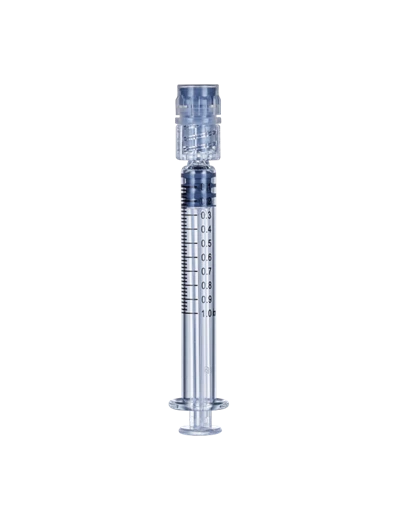 Prefilled Syringes ( With Luer Lock)Specifications:1ml,1 ml ong,2ml,2.25ml,3ml.Glass Tube:Borosilicate tubeAdd to Inquiry
 -
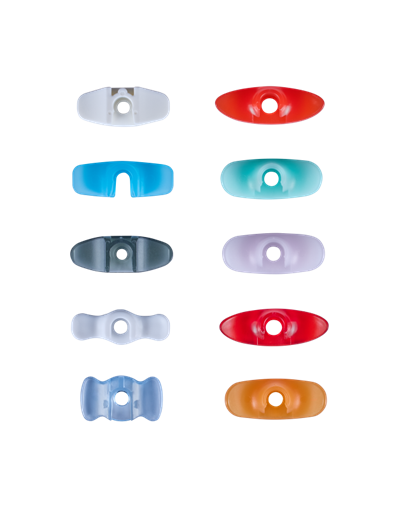
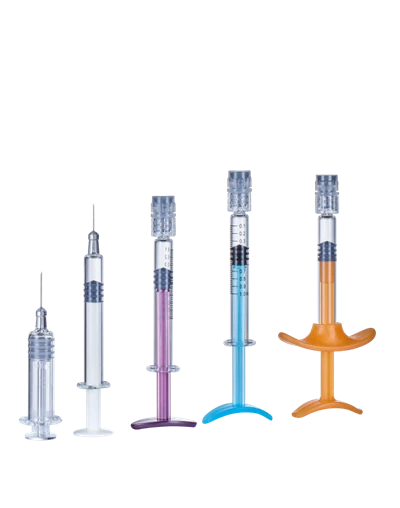 Push Rod for Glass Pre-filled SyringeCustomers can choose the push rod according to their needs.Add to Inquiry
 -
-
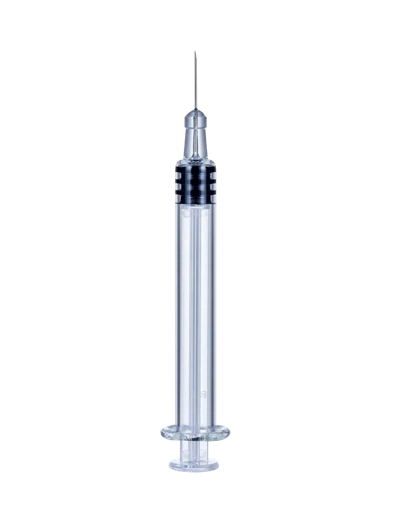
 Prefilled Syringe (With Needle)A prefilled glass syringe (PFS) allows injectable drugs to be delivered in a single step. Drawing up fluid from a vial into a disposable syringe, attaching a fresh needle to the syringe, and thenAdd to Inquiry
 -
 Glass Empty Medical Grade Class Prefilled Syringe With Lu...Add to Inquiry
 -
 2.25ml Prefilled Syringe With Luer Lock2.25ml Standard Prefilled Glass Syringe With Luer Lock.Add to Inquiry


Why Choose Us
High Production Capacity
The company has four branch factories and three large-sized production bases, covering a land of more than 200,000 m2. The company has 8 furnaces to produce glass tubing and more than 600 sets of high-precision devices used for production of vials and caps.
Broad Market
Relying on its great production capacity and famous brand, Zhengchuan has established a nationwide sales service network and has established long-term friendly cooperation relations with more than four hundred customers in China, which makes the company enjoy a good reputation at home and abroad.
Our products sell well in several regions in the world, e.g. South America, Southeast Asia, Europe and Asia.
Wide Product Range
The company possesses a modern technology research & development center and an integrated manufacturing center of pharmaceutical glass tubing, glass vials and auxiliary caps. The company mainly produces various types of transparent and amber tubular glass injection vials, tubular glass oral liquid vials, tubular glass screwed-neck vials and ampoules.
Quality Assurance
All products would enter a closed warehouse directly from the workshop via mechanical automation, so as to eliminate pollution sources due to transport of products and entrance of staffs and reduce the percentage of pollution and damage of products.
All procedures are controlled by computer that connected with the Intranet of the company. It could realize the integration of management and control, achieve clear entry and stock out in warehouses, and eliminate the risks of wrong or mixed delivery of products.
What is Pre-Filled Syringe


The Pre-Filled Syringe of injectable drug delivery involves the classic combination of a vial and a hypodermic needle. Prefilled syringes have four key components: a plunger, stopper, barrel, and a needle. In order for the mechanism to function properly, the plunger and stopper must fit tightly inside of the barrel but should glide through it when pressure is applied.
What are Advantages of Pre-Filled Syringe
Convenience: During an emergency (an allergic reaction), filling of standard syringes can be a time-consuming and complicated process, so that requires a quick injection syringes. Prefilled syringe cartridges can save time, and sequentially save lives. Prefilled cartridges allow injections to be administered more quickly specially in a busy hospital. They can diminish overcrowding in emergency rooms and other treatment areas.
Affordability: Standard syringes feature cylindrical glass barrels and tightly fitting glass rods, which are much more expensive to manufacture in comparison to plastic-base prefilled cartridges and their corresponding syringes. Additionally, prefilled cartridges are much less prone to crack or break in comparison to their standard, glass counterparts.
Accuracy: Prefilled syringe cartridges assure that patients receive accurate dosages. This is especially advantageous for patients who need to self-inject medication, but have no medical training.
Sterility: Once a standard syringe is filled with a medication, it will remain optimally effective, or sterile, for approximately 12 hours. In comparison, a medication stored inside of a prefilled syringe cartridge will remain sterile for approximately two to three years (this is also referred to as a "shelf life" of two to three years).
Safety: Prefilled syringe has a high level of accuracy, which makes them safer to use. Some cartridges are designed to fit into self-aspirating syringes, which essentially pierce the skin and inject medications without having to push on a plunger. This ensures that injections reach the appropriate depth, and that dosages are administered smoothly.
Medical Advantages: Healthcare professionals benefit from accurate, pre-measured doses, reduced dosing and medication errors, and reduced risk of microbial contamination. Prefills are convenient for emergency use and have potential for duplicate peel-off labels, which facilitate patient charting. Single-use prefilled syringes typically do not require preservatives.
Marketing Advantages: sNot only do healthcare providers prefer prefills, but healthcare products are also accepted and well known globally. Products can be found in virtually every hospital in the US and overseas. This real-time exposure gives us a unique opportunity to develop products for customers that will be well accepted by their ultimate recipients – end-users, doctors, and other healthcare professionals.
Features of Pre-Filled Syringe
Syringe Sizes
0.5 mL to 20 mL
validated volume
Filling Mechanisms
Rotary piston
Peristaltic
Optional Components
Plunger rod
Finger flange
Backstop
Custom label
Various Steps to Use Prefilled Syringes
Verify the label on prefilled syringe as it may be serious if wrongly injected.
Take out the syringe cap and needle cap without touching the needle tip to prevent the contamination of the syringe.
Insert the needle. Manually inserting a needle into skin can be the most challenging element of self-injection. This is to be expected because our survival has depended on avoiding injury, so our natural instinct is to avoid actions that would result in a self-inflicted wound. Again, the current generation of auto injector typically features auto insertion of the syringe needle to overcome this challenging step.
Once injection is completed, the patient must dispose the used syringe.
Disadvantages of Pre-Filled Syringe

Packaging
The packaging and delivery systems of pre-filled syringes must protect the product from contamination during transport and storage. Additionally, manufacturers must ensure that the packaging is tamper-proof but still be easily used by patients.

Manufacturing Difficulties
Manufacturing pre-filled syringes can be difficult due to the complexity of the process and the need for precise control over product temperature, pressure, and other variables.The result is manufacturing practices vary from one product to the next. Many biologics also have high viscosity, which presents a challenge for filling and the common solution of heating a compound to reduce viscosity isn't an option for heat-sensitive drugs.

Regulatory Compliance
Due to the sensitive nature of pre-filled syringes, manufacturers must comply with strict regulations which can increase costs. Additionally, there are certain requirements that must be met to ensure product safety and efficacy, such as validating the sterilization process and meeting storage and expiration guidelines.
Types of Pre-Filled Syringe
Oil Siliconised Syringes This type of prefilled syringe system there is direct contact of rubber to glass surface leads overtime to higher break out forces and leads to chances of contamination.
Silicone Syringes This backed on silicone syringes provide consistent coating of the glass barrel. Break out forces stay low during storage.
Process of Pre-Filled Syringe

01.Preparation of Materials and Components
In addition, formulations must be compatible with the materials and components; extractables and leachables can interact with the contents of a syringe, compromising the integrity of a drug.
02.Filling and Finishing
Because the fill finish process must be conducted aseptically, there are several considerations that need to be taken into account. This includes using the correct environment and equipment to ensure sterility, maintaining strict temperature controls, validating the process, and testing for particle contamination. It is critical that pre-filled syringes are sterile and free of pyrogens.
03.Testing and Quality Control
Because pre-filled syringes must be sterile, manufacturers must verify that their processes are compliant with standards such as Current Good Manufacturing Practices (cGMP). They must also test and validate each step of the process to ensure that the product is safe and effective.
04.Shipment
Certificate
Our company has worked out a set of perfect quality control system, among those from our competitors which is the first one that is ISO9002 and ISO9001:2008 certified successfully.
Our products are kept on the DMF record by FDA:
DMF Number Assigned:21564.
Low-borosilicate glass tubular injection vials: DMF Number Assigned: 21564
DMF Number Assigned:21565.
Neutral-borosilicate glass tubular injection vials: DMF Number Assigned: 21565

Our Factory
Our company is the first to build a 3d warehouse in the same industry in China, mechanical automation closed warehouse, dust free storage, reducing the risk of mis-sending and mixing.


Frequently Asked Questions
Q: What are the advantages of Pre-Filled Syringe?
Pre-filled syringes offer unparalleled convenience for patients and healthcare providers. Because the pre-filled syringe is a single-use device, there are no concerns about reuse or contamination. Additionally, they are simple to use and require minimal training, which reduces the time spent on instruction and administration. Pre-filled syringes allow patients to easily administer self-injections, which is beneficial to those who have difficulty traveling to a healthcare provider or require daily injection schedules.
Manufacturing Cost
Pharmaceutical companies can often reduce their production costs with pre-filled syringes. Elimination of manual filling and stoppering can drastically reduce labor expenses, while increased accuracy and safety can significantly limit waste. The improved shelf life of pre-filled syringes compared to traditionally filled syringes reduces stock losses and self-injections lower healthcare costs as well.
Accuracy
Pre-filled syringes provide greater accuracy than manual filling, which helps guarantee the safety of patients and providers thanks to the reduced risk of dosing errors. Additionally, pre-filling eliminates the need for individualized measurement and mixing of drugs prior to injection, saving time and reducing another potential source of medication errors.
Sterility
The aseptic filling process used in the manufacturing of pre-filled syringes ensures that no microorganisms or other contaminants are introduced into the drug. This process is extremely important, as it protects patients from potential infections and other adverse events caused by contaminated products.
Less Overfill Pre-filled syringes are more precise than manual filling, which reduces the need for overfill; it's estimated that pre-filled syringes reduce overfill by 20 to 30 percent. Patients receive accurate doses and helps eliminate the loss of valuable product, thus reducing costs for pharmaceutical manufacturers.
No Preservatives
Pre-filled syringes don't contain preservatives, which can prevent the potential for dangerous reactions in sensitive patients. This also helps reduce costs for manufacturers, who are no longer required to add preservatives or other additives to the drug.
No Need for Compounding
Compounding, which can be a time-consuming and potentially hazardous process, is not necessary with pre-filled syringes. Eliminating compounding also reduces the need for specialized pharmacy personnel, resulting in greater efficiency and cost savings.
Q: Why Prefilled Syringes Are Taking Over The Parenteral Market?
Therapies that use vials or other containers for syringe filling require overfilling the vials to account for product spillage during manual syringe filling. Prefilled syringes eliminate product overfilling and thus eliminate the waste of expensive biomolecules. Indeed, vaccines, antithrombotic treatments, and various home health care products (such as growth hormone, treatments for rheumatoid arthritis, and therapies for multiple sclerosis) benefit from administration using prefilled syringes.
Presterilized Ready-To-Fill Syringes Are Ubiquitously Available.
With advancements in manufacturing technology, syringes for filling can be easily manufactured by the millions.
Contract Manufacturers Specializing In Lower-Cost, High-Speed Syringe Filling Are Readily Available
Low-cost, high-speed filling systems make the manufacturing of prefilled syringes accessible to pharmaceutical companies and bulk pharma distributors across the board.
Prefilled Syringes Eliminate Dosage Errors
Unlike vials, which are overfilled to account for expected product loss during syringe filling at the point of use, syringes contain the exact amount of product needed to administer a single dose.
Medications In Prefilled Syringes Are Easier To Administer
Prefilled syringes eliminate several steps required before injection of a parenteral drug packaged in a vial.
In addition to removing dosage errors, prefilled syringes save syringe preparation time for caregivers and are easier to administer. Since fewer manipulations are required to deliver the drug to the patent with prefilled syringes, the sterility of the dosage from a prefilled syringe is nearly guaranteed.
Prefilled Syringes Are Easier For Home Use And Increase Patient Compliance
In general, prefilled syringes are more convenient for end-users, whether these users are health care professionals or patients. Prefilled syringes are also easier to use in emergencies since they do not require filling preparation time. Overall, the speed and ease at which treatments can be administered increase patient compliance for parenteral treatments administered at home. Increased patient compliance leads to better treatment and clinical outcomes (a win-win for patients, doctors, and pharmaceutical companies).
Prefilled Syringes Reduce Medication Errors
Prefilled syringes allow for better dose accuracy as they eliminate human error. Prefilled syringes also prevent misidentification regarding the medication being administered and the dosage administered to the patient. Further, prefilled syringes support better regulation of controlled drugs such as narcotics.
Prefilled Syringes Lower Injection Costs
With prefilled syringes, there are fewer costs for syringe preparation (since syringes are already filled). Furthermore, syringes are easy to store, easy to dispose of, and fewer materials are involved (no need for vials containing parenteral products or solutions to reconstitute parenteral products before filling).
Availability Of Technology That Allows For Syringe Filling Of Highly Viscous Products Or Gels
It was difficult to find manufacturers with rapid-fill-finish machines that could fill syringes or vials with highly viscous materials in the past. However, modern technological advances have allowed for the bulk filling of these products, such as hyaluronic acid-based injections.
Prefilled Syringes Reduce The Risk Of Medical Complications Following Treatment
Due to precise dosage measurements and ease of administration, prefilled syringes reduce the risk of medical complications following treatment.
Q: What type of syringes are prefilled?
Q: Is it OK to pre fill syringes?
Q: How are prefilled syringes packaged?
Q: What is pre-filled syringes a new concept?
Q: What are the disadvantages of prefilled syringes?
Q: Where are pre filled syringes used?
Q: How long are prefilled syringes good for?
Q: Do I need to remove air from prefilled syringe?
Q: Can prefilled syringe be used more than once?
Q: What is the difference between vial and prefilled syringe?
Q: Why do doctors squirt syringe before injection?
Q: What happens if you get injected with a syringe with air?
Q: What are the advantages and disadvantages of prefilled syringes?
Q: What are the medications that are commonly dispensed in prefilled syringes?
Q: Why can't you use a syringe twice?
Q: What is the pushy thing on a syringe called?
Q: Why pre filled syringes?
We're well-known as one of the leading prefilled syringe manufacturers and suppliers in China. If you're going to buy high quality prefilled syringe, welcome to get more information from our factory. Also, customized service is available.
