

Amber Ampoule
Your Leading Amber Ampoule Supplier
Chongqing Zhengchuan Pharmaceutical Packaging Co., Ltd. is an enterprise that is professionally engaged in research, development, and production of pharmaceutical tubular glass vials and caps. Our products include: Pharmaceutical Glass Vials, Ampoule, Glass Tube, Vial Cap, Pre-filled Syringe, Rubber Stopper, Bottle Screen Printing, Irregular Shape Bottle, Cosmetic Bottle.
-
 Pharmaceutical Amber Neutral Borosilicate Glass AmpoulesHigh water resistance, high acid & alkali resistance, have good compatibility with drugs.Add to Inquiry
 -
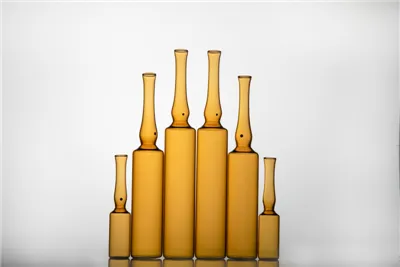 Pharmaceutical Neutral Borosilicate Glass Injection Clear...pharmaceutical glass ampoule using for the injection products ! the standard in safe and sterile packaging for pharmaceuticals! Our ampoules are also available in a range of sizes, from 1ml up toAdd to Inquiry
 -
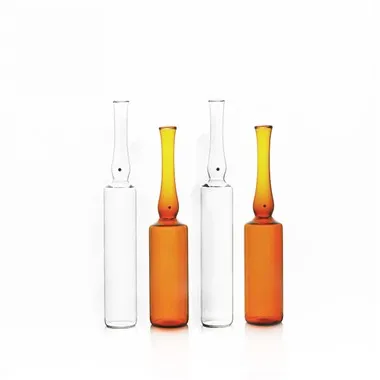 Medical Clear 2ml Middle Borosilicate AmpoulesMedical Clear 2ml Middle Borosilicate AmpoulesAdd to Inquiry
 -
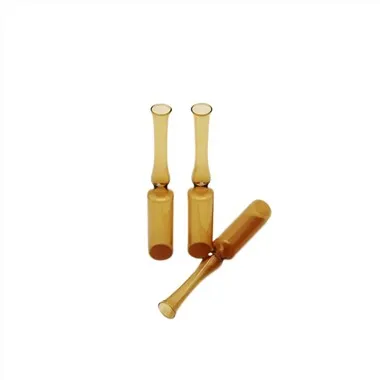 2ml Screen Printing Low Borosilicate Glass AmpouleZCP 2ml Screen Printing Low Borosilicate Glass AmpouleAdd to Inquiry
 -
 5ml 10ml Glass Ampoule For Pharma5ml 10ML glass ampoule for pharma. Dimension: YBB or ISO standard. Volume: 1ML 2ML 3ML 5ML 10ML 15ML 20ML.Add to Inquiry
 -
 Amber Pharma Neutral Boron Ampoule BottleWe’re dealing in various neutral boron ampoules with best quality and competitive price. Our factory has the most advanced integrated industrial chain for pharma neutral boron glass. Provide completeAdd to Inquiry
 -
 Amber Pharmaceutical Neutral Boron Glass AmpoulesCustom printing can be printed on neutral boron glass ampoules.Add to Inquiry
 -
 Amber Pharmaceutical Boron Glass AmpoulesAmber Pharmaceutical Ampoules refers to a fusion-sealable hard glass container, which is often used to store injection medicines, vaccines, serums, etc.Add to Inquiry


Why Choose Us
High Production Capacity
The company has four branch factories and three large-sized production bases, covering a land of more than 200,000 m2. The company has 8 furnaces to produce glass tubing and more than 600 sets of high-precision devices used for production of vials and caps.
Broad Market
Relying on its great production capacity and famous brand, Zhengchuan has established a nationwide sales service network and has established long-term friendly cooperation relations with more than four hundred customers in China, which makes the company enjoy a good reputation at home and abroad.
Our products sell well in several regions in the world, e.g. South America, Southeast Asia, Europe and Asia.
Wide Product Range
The company possesses a modern technology research & development center and an integrated manufacturing center of pharmaceutical glass tubing, glass vials and auxiliary caps. The company mainly produces various types of transparent and amber tubular glass injection vials, tubular glass oral liquid vials, tubular glass screwed-neck vials and ampoules.
Quality Assurance
All products would enter a closed warehouse directly from the workshop via mechanical automation, so as to eliminate pollution sources due to transport of products and entrance of staffs and reduce the percentage of pollution and damage of products.
All procedures are controlled by computer that connected with the Intranet of the company. It could realize the integration of management and control, achieve clear entry and stock out in warehouses, and eliminate the risks of wrong or mixed delivery of products.

Amber Ampoule is available in Pharmaceutical Amber and Clear Empty Glass Ampoules.Ampoule is a medicinal glass bottle that can be sealed, which can be divided into color ring ampoules and color dot ampoules. It is often used to store drugs for injection, vaccines, serum, etc.
Benefits of Amber Ampoule

Protecting the Contents
The borosilicate glass used in our ampoules is highly resistant to chemical and thermal shock, ensuring the contents remain protected during transportation and storage.
Accurate Dosing
The precision manufacturing of our ampoules ensures that they are consistent in size and shape, making them easy to dispense accurate doses of medication.
Easy to Use
Our glass ampoules are designed with a narrow neck, making them easy to open and use. This feature is especially important in medical settings where time is of the essence.
Tamper-Proof
The flame-sealing process used in our ampoules ensures that they are tamper-proof and sterile. This feature provides an added layer of security when shipping or storing medications.
Features of Amber Ampoule
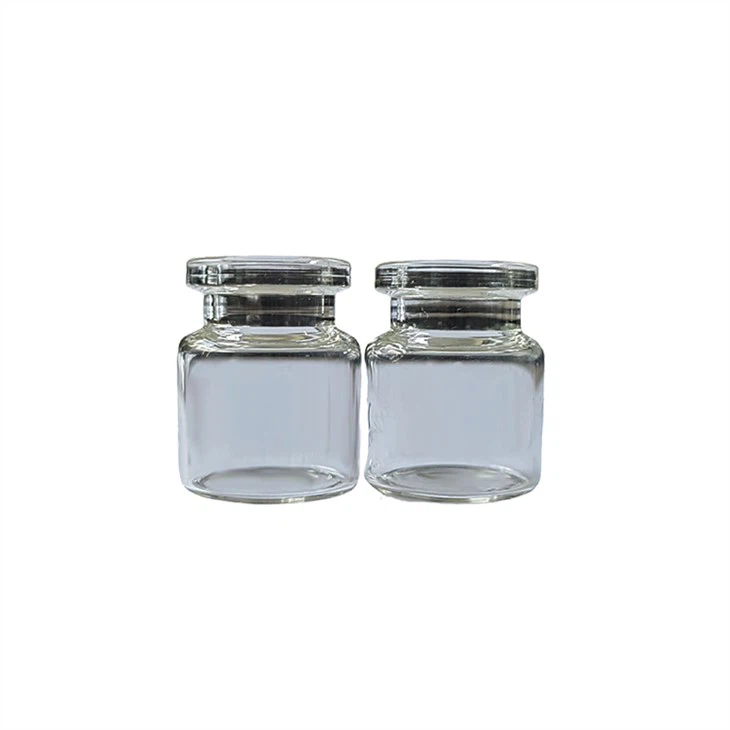
High-Quality Glass
Our ampoules are made from borosilicate glass, which ensures the protection of the contents of the ampoule from contamination and damage.

Precision Manufacturing
Our ampoules are manufactured with advanced machinery and processes, which facilitates their ease of use and ensures the accurate dispensing of contents.
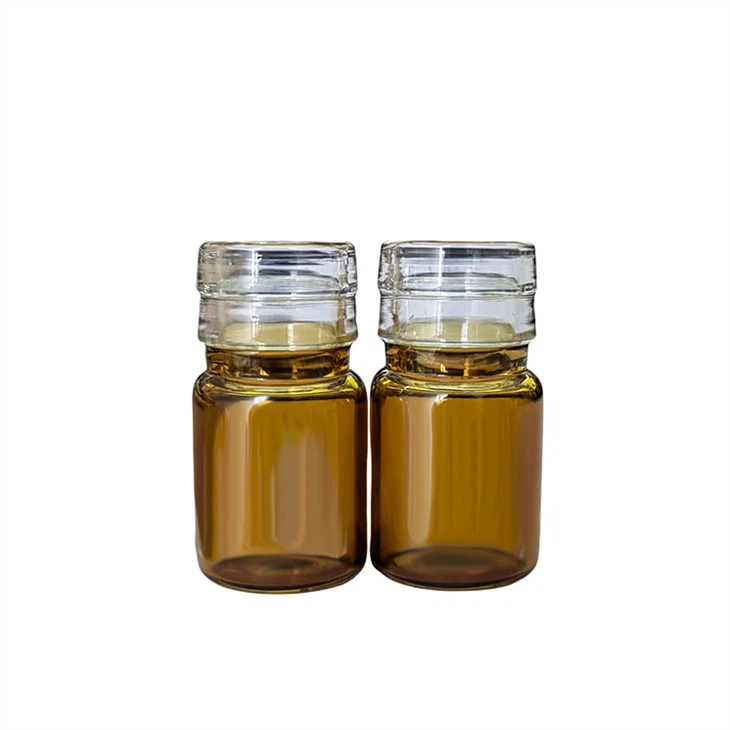
Wide Range of Sizes
Our glass ampoules are available in sizes that range from 1ml to 30ml, providing flexibility for a variety of applications. The 5ml and 10ml sizes are popular in the pharmaceutical industry for delivering precise doses.

Tamper-Proof
Our glass ampoules are sealed with a flame-sealing process, making them tamper-proof and ensuring the contents are sterile. This feature makes them ideal for the packaging of injectable medications, vaccines.
Types of Amber Ampoule
Form B Ampoules with Stem Cut
1.This glass container has internal siliconization available.
2.The ampoule has CBR (colour break ring) or OPC (One point Cut) opening.
3.Up to 2 code rings can be applied to the ampoule for identification purposes.
Form C Ampoules are with Open Funnel
1.Open-funnel (Form C) made from pharmaceutical grade Type 1 tubular glass.
2.The closed top ampoule (Form C) has One Point Cut (OPC).
3.This glass container has dimensions according to DIN ISO 9187-1.
Form D Ampoules Range are Closed Ampoules
1.The closed top ampoule (Form D) with OPC (one point cut) is made from tubular clear borosilicate glass of the first hydrolytic class.
2.This glass container is produced according to DIN ISO 9187 standard.

Applications Of Amber Ampoule
Pain medication
Sedatives
Drugs for the treatment of heart and/or blood problems
Vitamins
Minerals
Emergency drug
Nausea treatment drugs
1.The ampoule filling is a complex mechanism as the main concerning part is not filling the contents of the ampoule into it. Sealing off the lid of these ampoules and keeping foreign elements and fragments from entering into them is more crucial.
2.The ampoules are aligned on the dispensers in the machines where the contents are poured into the ampoules, and the next step is sealing. The top thin layer of the ampoule is melted down with the help of a flame, and it is sealed. In many cases, the empty space left at the top of the ampoules is filled with inert gases to prevent the chemical reaction of the constituents of the ampoule. Ampoule filling process done in sterile class 100 environment to make process germs & bacteria free.

Ampoule sealing techniques

Tip Sealing Method
In the tip sealing method, heat is evenly applied on all sides of the neck to melt form a bead. These kind of sealing methods are common in liquid filling ampoules.
Pull Sealing Method
In pull sealing method, are commonly used for containers filled with powder as they require a large opening. The neck of the bottle is heated with a burner till the glass becomes soft. With the help of a mechanical device, the top is pulled and twisted.

Process of Amber Ampoule
Process of Amber Ampoule Makes denhts on and stretches material glass tube into the shape of ampoule and cuts it.
Size Checker Checks all sizes.
Mouth Forming Opens the tube end to form the mouth.
One Point Cut (Opc) Adds color marking and one point cut.
Bottom Forming Melts and cuts the semifinished product equally in two, and form the bottom.
Strain Removal (Annealing) Puts the vials into the annealing oven to remove strein.
Certificate
Our company has worked out a set of perfect quality control system, among those from our competitors which is the first one that is ISO9002 and ISO9001:2008 certified successfully.
Our products are kept on the DMF record by FDA:
DMF Number Assigned:21564.
Low-borosilicate glass tubular injection vials: DMF Number Assigned: 21564
DMF Number Assigned:21565.
Neutral-borosilicate glass tubular injection vials: DMF Number Assigned: 21565

Our Factory
Our company is the first to build a 3d warehouse in the same industry in China, mechanical automation closed warehouse, dust free storage, reducing the risk of mis-sending and mixing.


Frequently Asked Questions
Q: What is the risk of ampoule?
Q: What are the risks of glass ampoules?
Q: How many times can an ampoule be used?
Q: How long can ampoules last?
Q: How do you sterilize ampoules?
Q: What is an ampoule?
Q: What does the manufacture of a double-tips glass ampoule include?
(2)Carrying out certain finishing operations.
(3)Controlling the quality level throughout the manufacturing process.
(4)The double-tips glass ampoule is a primary packaging, i.e. a packaging that is in direct contact with the active ingredient of the medicine or food supplement. As a result, the composition of the glass of which the ampoules are made is regulated by the pharmacopoeia.
Q: What kind of glass is used in ampoule?
Q: How is ampoule made?
(2)In the same cycle, the cut tip of a glass ampoule (which beaded tip was made in the previous round), and the beaded tip of the next ampoule is made. Thus, we have a start of the tube with only a cut tip, then an end of the rod with only a beaded tip.
(3)Finally, the finished glass ampoules are collected on a conveyor belt for finishing operations.
Q: How are ampoules packaged?
Q: How to control the quality of ampoules during the manufacturing process?
(2)The setter who is in charge of a group of several lines.
(3)The production quality specialist who moves from line to line throughout the glassworks.
(4)The production quality specialist takes a few glass ampoules from each line to check all the characteristics of the ampoule, including the breaking strength of the self-breakable glass.
Q: How is the ampoule sealed?
(1)Vacuum filling
The filling machine consists of a vacuum tank open at the top and fitted with a hinged lid. On this lid, grids are fixed to hold the glass ampoules when the whole unit (the plastic box and all the ampoules it contains) is turned over in the tank.
(2)The whole set is turned over and the lid is closed. The ampoule tips are immersed in the liquid to be filled (medicine, food supplement, etc.), and the tank is emptied. The air in the glass ampoules is evacuated and the liquid fills the ampoule by capillary action. The lid is opened and the box is turned upside down again. Once the box is free of the grid, it is directed to the tips washing and sealing line. In this way, all glass ampoules are filled in the same cycle to the same volume.
(3)Tips washing
The tips are washed using cold and hot water showers, suitably arranged. The principle is to play on the expansion of the air between the product and the tips. The solid glass ampoule boxes circulate on a conveyor belt under these showers. A low burner, and a reflector directing heat from the sealing flame further down the line, is used to dry the tips before sealing. (4)Sealing
After washing, the glass ampoules, still stored in their box, are passed under the sealing ramp, which is an air/gas/oxygen burner. This flame licks the top of the cut tips, which close naturally.
(5)Sterilization and packaging
Sterilization can be carried out by tyndallization or autoclaving, in order to eliminate vegetative forms (bacteria) and resistance forms (spores). This involves subjecting the glass ampoules to heating cycles according to the chosen process.
(6)A visual check after sterilization allows the defective ampoules to be eliminated before the others are sent to the packaging line where they are placed on a rack, and the latter are placed in boxes (secondary packaging).
We're well-known as one of the leading amber ampoule manufacturers and suppliers in China. If you're going to buy high quality amber ampoule, welcome to get more information from our factory. Also, customized service is available.
