

Glass Vials
Your Professional Pharmaceutical Glass Vials Manufacturer
Chongqing Zhengchuan Pharmaceutical Packaging Co., Ltd. is an enterprise that is professionally engaged in research, development, and production of pharmaceutical tubular glass vials and caps. Our products include: Pharmaceutical Glass Vials, Ampoule, Glass Tube, Vial Cap, Pre-filled Syringe, Rubber Stopper, Bottle Screen Printing, Irregular Shape Bottle, Cosmetic Bottle.
-
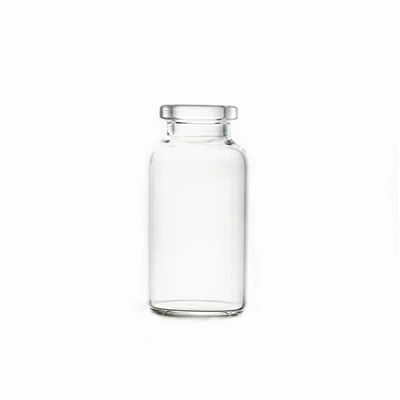 Neutral Borosilicate Injection VialsSpecification:2ml,4ml,6ml,8ml,10ml,15ml,20ml,25ml,30ml,50ml.Injection vials are made from neutral borosilicate glass tube,customers can select Schott,NEG.Add to Inquiry
 -
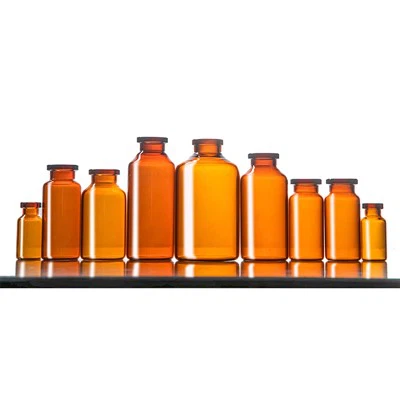
 Coated Glass Vials1. Good quality silicified & coated tubular glass injection vials. 2.We supply different amber glass bottle: 2ml, 3ml, 5ml, 7ml, 8ml, 10ml, 15ml, 20ml and so on.. 3. Custom printing can be printed onAdd to Inquiry
 -
 Clear Low Borosilicate Injection VialsSpec.: 1-50ml. Usage: To be used to contain injection. Glass Tubing: Low Borosilicate Glass Tubing.Add to Inquiry
 -
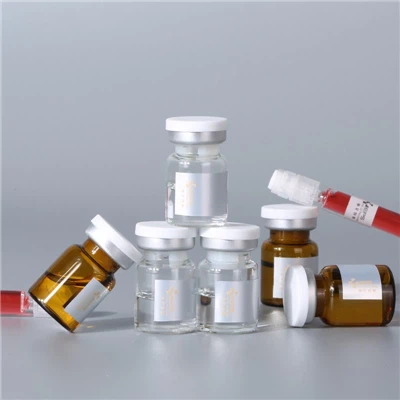 10ml Sterile Empty Glass Vialthe 10ml sterile empty glass vial is an excellent packaging solution for the pharmaceutical and medical industries. It offers a range of advantages, including its single dose design, high-qualityAdd to Inquiry
 -
-
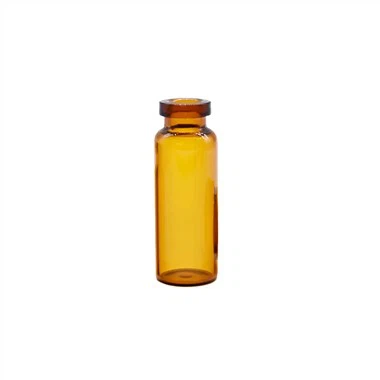
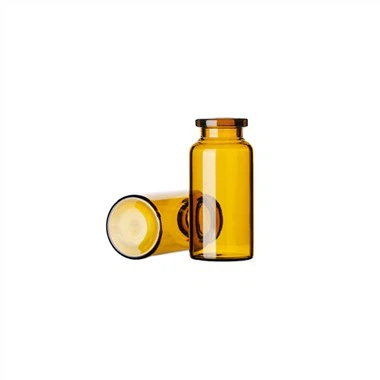 5ml Amber Injection Vials1-30ml glass bottle for injection,both clear and amber are available.The largest pharmaceutical glass tubing bottle manufacturer in China. Our main product is glass bottle for injection, ampouleAdd to Inquiry
 -

-
-
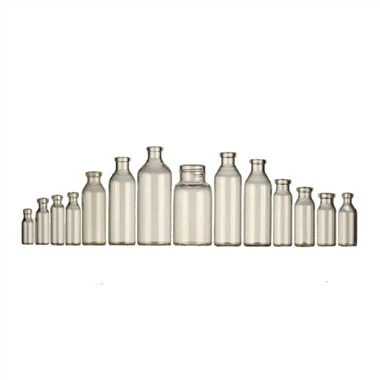 Neutral Borosilicate Injection Tubing VialsZCP 10ml 15ml Neutral Borosilicate Injection tubing VialsAdd to Inquiry
 -
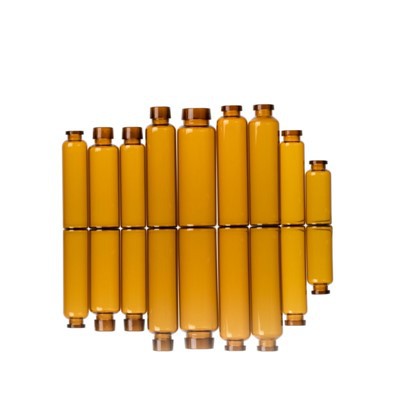 10ml Sodalime Amber Oral Liquid vials Type A10ml Sodalime Oral Liquid vials for medicine,Annual production capacity 7 billion.Add to Inquiry
 -
 pharma neutral injection vialPharma Neutral Injection Vial is an excellent product with a very small coefficient of expansion that can withstand extreme hot and cold weather and is particularly suitable for use in freeze-driedAdd to Inquiry
 -
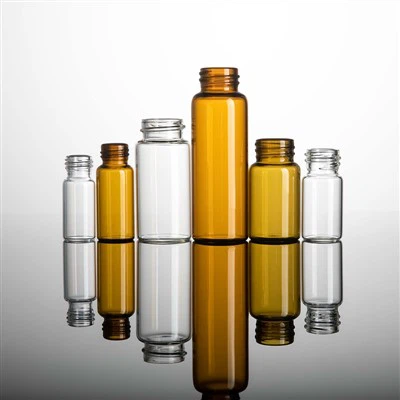 Sodium Chloride 10 Ml VialsProduction process flow chart of vials. Glass tube stock-out. Automatic intubation. Vial forming. Annealing of vial. Inspection of vial. Packaging of vial. Storage of via.Add to Inquiry


Why Choose Us
The company has four branch factories and three large-sized production bases, covering a land of more than 200,000 m2. The company has 8 furnaces to produce glass tubing and more than 600 sets of high-precision devices used for production of vials and caps.
(1)Relying on its great production capacity and famous brand.
(2)Zhengchuan has established a nationwide sales service network and has established long-term friendly cooperation relations with more than four hundred customers in China, which makes the company enjoy a good reputation at home and abroad.
(3)Our products sell well in several regions in the world, e.g. South America, Southeast Asia, Europe and Asia.
The company possesses a modern technology research & development center and an integrated manufacturing center of pharmaceutical glass tubing, glass vials and auxiliary caps. The company mainly produces various types of transparent and amber tubular glass injection vials, tubular glass oral liquid vials, tubular glass screwed-neck vials and ampoules.
(1)All products would enter a closed warehouse directly from the workshop via mechanical automation, so as to eliminate pollution sources due to transport of products and entrance of staffs and reduce the percentage of pollution and damage of products.
(2)All procedures are controlled by computer that connected with the Intranet of the company. It could realize the integration of management and control, achieve clear entry and stock out in warehouses, and eliminate the risks of wrong or mixed delivery of products.
We've applied our expertise in glass science, optical physics, vapor deposition, precision forming, and extrusion to design and develop a Pharmaceutical Glass Vials container to protect drugs and vaccines. Pharmaceutical Glass Vials enhances the storage and delivery of drugs, providing more reliable access to medicines essential to public health.

Benefits of Pharmaceutical Glass Vials
Features of Pharmaceutical Glass Vials
Pharmaceutical Glass Vials is chemically durable with uniform surface chemistry that eliminates risk of delamination
Pharmaceutical Glass Vials is exceptionally strong to protect valuable drugs and reduce downtime due to glass-related interventions.
Vial damage on commercial filling lines can create sub-visible cracks that can compromise drug sterility. In laboratory testing, Pharmaceutical Glass Vials provided at least 30% protection against cracks versus conventional borosilicate glass vials.
Pharmaceutical Glass Vials have a low coefficient of friction exterior surface that reduces particulate generation on commercial filling lines.
Zhengchuan's proprietary low coefficient-of-friction coating on Pharmaceutical Glass Vials enables higher line speeds and reduces the need for intervention due to vial jams, tip overs and glass breakage. Pharmaceutical Glass Vials can improve filling line efficiency by up to 50% compared to conventional borosilicate vials.
Common Types of Pharmaceutical Glass Vials
Type I Glass
Also known as "neutral," type 1 is a borosilicate glass with good chemical resistance. It is used for pharmaceuticals requiring the least reactive containers.
Typical Type I products:
Tubular glass vials
Pre-fillable syringes
Cartridges
Type II Glass
A treatment applied to the internal surface of the glass reduces ion exchange, making this category suitable for solutions administered intravenously.
Typical Type II products:
Moulded glass infusion bottles
Type III Glass
This is a soda-lime glass and is the type most commonly manufactured.
Typical Type III products:
Moulded glass syrup bottles
Tablet containers
Applications of Pharmaceutical Glass Vials

Blood and Blood Components
Plasma, platelets, red blood cells, white blood cells, immunoglobulins, albumin and more are highly valuable for treating numerous diseases and protecting health.

Oncology
Drug stability and sterility are crucial for patient safety. The mechanical resistance of molded glass is particularly important to ensure the integrity of cytotoxic cancer therapies.

Antibiotics
Flexibility, integrity, and cost are essential features of glass packaging for the antibiotic supply chain – all met by our extensive Type I molded glass range of vials and infusion bottles.

Respiratory
Type I glass is a popular packaging option for respiratory therapies, notably for nasal drug products and parenteral vials, owing to its superior mechanical resistance.
Process of Pharmaceutical Glass Vials
Melting The raw material, consisting of a mix of silica sand, soda ash and other components, is collected in silos, then dosed, mixed and fed into the furnace to be melted. The furnace, constructed of refractory material capable of withstanding the high melting temperatures (1,600°C), is connected to monitors and process calculators that allow the operating parameters to be constantly checked with the correct vitrification of raw materials.
Shaping The molten glass enters thermal conditioning channels and, having reached the appropriate viscosity, is 'cut' into drops. The glowing glass droplet drops into the mould on the moulding machine, which then moulds the finished product using two different moulding technologies. The "blow-blow" technique relies on an initial blowing stage to create a vacuum in the preform, which is then shaped by another jet of air and assumes its final shape. By contrast, the "die-blowing" technique uses a piston to create a vacuum in the preform, which is then blown to its final shape.
Annealing The phase that eliminates residual stresses in the material, stabilising the structure of the glass and increasing its strength. Other secondary treatments are also applied. such as siliconizing and sulfurization, which improve the performance of the products, and make them more resistant to mechanical and chemical stresses, and more suitable for in-line processing.
Certificate
Our company has worked out a set of perfect quality control system, among those from our competitors which is the first one that is ISO9002 and ISO9001:2008 certified successfully.
Our products are kept on the DMF record by FDA:
DMF Number Assigned:21564.
Low-borosilicate glass tubular injection vials: DMF Number Assigned: 21564
DMF Number Assigned:21565.
Neutral-borosilicate glass tubular injection vials: DMF Number Assigned: 21565

Our Factory
Our company is the first to build a 3d warehouse in the same industry in China, mechanical automation closed warehouse, dust free storage, reducing the risk of mis-sending and mixing.


Frequently Asked Questions
Q: Why Do Glass Vials Matter?
Q: What are the properties of Pharmaceutical Glass Vials?
Q: What is a pharmaceutical vial?
Q: What are the components of bottle glass?
Q: What are the different types of medicine vials?
Q: What is a Type 1 glass vial?
Q: What are Pharmaceutical Glass Vials used for?
Q: What types of Pharmaceutical Glass Vials are there?
Material:
Body: low borosilicate glass, neutral borosilicate glass, high borosilicate glass and soda lime
Cap: rubber stoppers, aluminum caps, aluminum plastic caps or upon request
Color: clear and amber
Shape: tubular
Neck finish: crimp top
Capacity: 2 ml, 3 ml, 5 ml, 7 ml, 8 ml, 10 ml, 15 ml, 20 ml, 30 ml or upon request
Surface handling: screen printing, bronzing, spraying or upon request.
Oral solution vials
Material:
Body: low borosilicate glass, neutral borosilicate glass, high borosilicate glass and soda lime
Cap: rubber stoppers, aluminum caps, aluminum plastic cap or upon request
Color: clear and amber
Shape: tubular
Neck finish: screw top, crimp top.
Capacity: 6 ml, 10 ml, 15 ml, 20 ml or upon request.
Surface handling: screen printing, bronzing, spraying or upon request.
Sample vials
Material:
Body: low borosilicate glass, neutral borosilicate glass, high borosilicate glass and soda lime
Cap: plastic caps, rubber stoppers, aluminum caps, aluminum plastic caps or upon request
Color: clear and amber
Shape: tubular
Neck finish: screw top
Capacity: 2 ml, 4 ml, 6 ml, 8 ml, 12 ml, 16 ml or upon request
Surface handling: screen printing, bronzing, spraying or upon request.
Glass ampoules
Material: low borosilicate glass, neutral borosilicate glass, high borosilicate glass and soda lime
Color: clear and amber
Capacity: 1 ml, 2 ml, 3 ml, 5 ml, 10 ml, 20 ml, 25 ml, 30 ml or upon request
Surface handling: screen printing, bronzing, spraying or upon request.
Q: What are the benefits of Pharmaceutical Glass Vials for pharmaceuticals?
Environmentally friendly
Glass jars are an environmentally friendly choice when it comes to pharmaceutical packaging. Not only can glass jars be sterilised for reuse but glass is also widely recycled to avoid waste.
Compliant
Many glass jars comply with the strict regulations placed on pharmaceutical packaging – for example, Drug Master Files of the US Food and Drug
Administration regulations, the British Standard BS1679 required for containers for pharmaceutical dispensing and the US and EU light transmission requirements.
Leak-proof
Unlike some alternative pharmaceutical packaging materials – such as some types of plastic – glass is completely leak-proof. This provides peace of mind that potentially harmful substances won’t permeate the packaging and keeps products safe from contamination.
Temperature- and chemical-resistant
Glass jars can not only withstand high temperatures but are also non-reactive to chemicals. This makes them the perfect choice for use with a range of medicines and pharmaceutical products – maintaining structural integrity regardless of contents and delivering medicines exactly as intended.
Plus, as the jars can withstand high temperatures, it means they can be easily sterilised – a critical quality in pharma, killing harmful germs and bacteria.
Coloured glass
Glass jars are often available in a range of colours – including clear, amber, green and blue – each with a unique appeal. Amber glass is designed to protect products from harmful UV light, while blue and green glass provides eye-catching aesthetic appeal and clear glass allows consumers to see the product through the packaging on store shelves.
We're well-known as one of the leading glass vials manufacturers and suppliers in China. If you're going to buy high quality glass vials, welcome to get more information from our factory. Also, customized service is available.
