

Injection Vials
Your Professional Injection Vials Manufacturer
Chongqing Zhengchuan Pharmaceutical Packaging Co., Ltd. is an enterprise that is professionally engaged in research, development, and production of pharmaceutical tubular glass vials and caps. Our products include: Pharmaceutical Glass Vials, Ampoule, Glass Tube, Vial Cap, Pre-filled Syringe, Rubber Stopper, Bottle Screen Printing, Irregular Shape Bottle, Cosmetic Bottle.
-
 Coated Glass Vials1. Good quality silicified & coated tubular glass injection vials. 2.We supply different amber glass bottle: 2ml, 3ml, 5ml, 7ml, 8ml, 10ml, 15ml, 20ml and so on.. 3. Custom printing can be printed onAdd to Inquiry
 -
 Clear Low Borosilicate Injection VialsSpec.: 1-50ml. Usage: To be used to contain injection. Glass Tubing: Low Borosilicate Glass Tubing.Add to Inquiry
 -
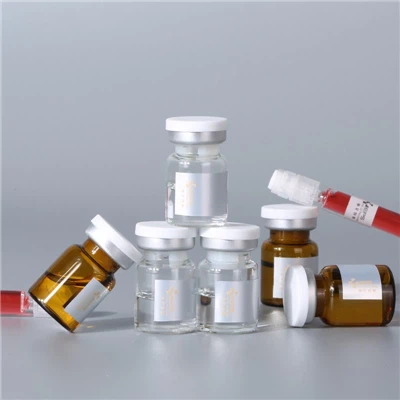 10ml Sterile Empty Glass Vialthe 10ml sterile empty glass vial is an excellent packaging solution for the pharmaceutical and medical industries. It offers a range of advantages, including its single dose design, high-qualityAdd to Inquiry
 -
-
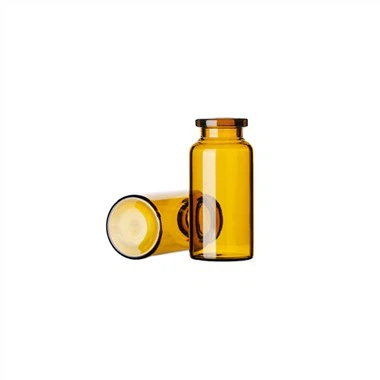 5ml Amber Injection Vials1-30ml glass bottle for injection,both clear and amber are available.The largest pharmaceutical glass tubing bottle manufacturer in China. Our main product is glass bottle for injection, ampouleAdd to Inquiry
 -

-
-
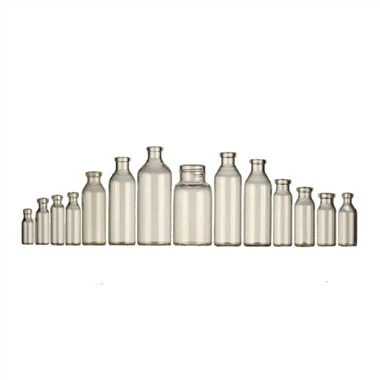 Neutral Borosilicate Injection Tubing VialsZCP 10ml 15ml Neutral Borosilicate Injection tubing VialsAdd to Inquiry
 -
 pharma neutral injection vialPharma Neutral Injection Vial is an excellent product with a very small coefficient of expansion that can withstand extreme hot and cold weather and is particularly suitable for use in freeze-driedAdd to Inquiry
 -
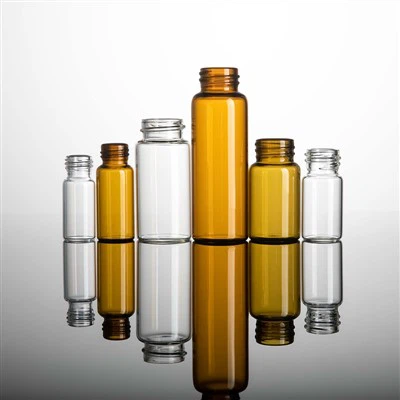 Sodium Chloride 10 Ml VialsProduction process flow chart of vials. Glass tube stock-out. Automatic intubation. Vial forming. Annealing of vial. Inspection of vial. Packaging of vial. Storage of via.Add to Inquiry
 -
 Pharmaceutical Tubular Glass BottleChinese neutral borosilicate medicine glass injection bottle according to ISO standard, Includes all sizes you can choose,We will try our best to meet your request,Please send us anAdd to Inquiry
 -
 2ml amber vialsThe 2ml borosilicate glass or soda-lime glass vial has high temperature resistance, corrosion resistance, and will not cause deformation or even melting in appropriate high or low temperature. AmberAdd to Inquiry


Why Choose Us
1
The company has four branch factories and three large-sized production bases, covering a land of more than 200,000 m2. The company has 8 furnaces to produce glass tubing and more than 600 sets of high-precision devices used for production of vials and caps.
2
Relying on its great production capacity and famous brand, Zhengchuan has established a nationwide sales service network and has established long-term friendly cooperation relations with more than four hundred customers in China.
Our products sell well in several regions in the world, e.g. South America, Southeast Asia, Europe and Asia.
3
The company possesses a modern technology research & development center and an integrated manufacturing center of pharmaceutical glass tubing, glass vials and auxiliary caps. The company mainly produces various types of transparent and amber tubular glass injection vials, tubular glass oral liquid vials, tubular glass screwed-neck vials and ampoules.
4
All products would enter a closed warehouse directly from the workshop via mechanical automation, so as to eliminate pollution sources due to transport of products .
All procedures are controlled by computer that connected with the Intranet of the company. It could realize the integration of management and control and eliminate the risks of wrong or mixed delivery of products.
What is Injection Vials
A single-dose or single-use vial is a vial of liquid medication intended for parenteral administration (injection or infusion) that is meant for use in a single patient for a single case, procedure, injection.

Benefits of Injection Vials
Reduced Risk of Contamination
Closed vials are closed from the moment of their manufacture and remain closed by design. The only time that a closed vial runs the risk of contamination if handled properly is during the brief period of needle penetration. By contrast, traditional glass vials may stay unstoppered for as much as 30 minutes, substantially increasing the opportunity for contamination.
A Smoother Supply Chain
Because component prep time is reduced, the risks and challenges that come with component preparation are removed as well. Closed vials arrive already sterile and ready-to-fill, eliminating the need for water for injection washing, sterilization, and hot-air depyrogenation. This means filling can be done faster, without sacrificing quality.
Easier Handling
While instances of patients becoming exposed to contaminated parenteral products is relatively rare, in the vast majority of cases where such contamination does occur, it is due to handling in hospital pharmacies or by healthcare providers. By capping the closed vials with easy-to-open polyethylene caps and stoppers with large piercing areas, closed vials make handling easier and reduce the risk of contamination by hospital staff.
Benefits of Injection Vials

Reduced Risk of Contamination
Closed vials are closed from the moment of their manufacture and remain closed by design. The only time that a closed vial runs the risk of contamination if handled properly is during the brief period of needle penetration. By contrast, traditional glass vials may stay unstoppered for as much as 30 minutes, substantially increasing the opportunity for contamination.

A Smoother Supply Chain
Because component prep time is reduced, the risks and challenges that come with component preparation are removed as well. Closed vials arrive already sterile and ready-to-fill, eliminating the need for water for injection washing, sterilization, and hot-air depyrogenation. This means filling can be done faster, without sacrificing quality.
Easier Handling
While instances of patients becoming exposed to contaminated parenteral products is relatively rare, in the vast majority of cases where such contamination does occur, it is due to handling in hospital pharmacies or by healthcare providers. By capping the closed vials with easy-to-open polyethylene caps and stoppers with large piercing areas, closed vials make handling easier and reduce the risk of contamination by hospital staff.
What are Injection Vials used for
Mixing Many medical practitioners use Injection Vials for mixing medications. This is common when medications come in powder form and are to be converted to liquid form for easy usage. Rather than mixing in just any container, it is safe to mix medications in a sterile vial. In situations where the chemical composition of medication is strong, you can use a sterile vial to mix the medication before giving patients. Medications such as peptides, lidocaine, HCG, morphine, are mixed in sterile vials.
Preservation The Injection Vials are made of glasses. This is essential because glasses can help to preserve medications or chemical substances against climate changes or harsh weather conditions. As such, Injection Vials are very useful in preserving chemical substances, highlighting the reason many pharmaceutical companies package some of their products in Injection Vials.
Storing Injection Due to its rubber seal and glass body, you can use Injection Vials for mixing and storing injection solutions. You can easily penetrate through the rubber lead on the bottle. The firmness of the rubber lead on the bottle helps to avoid spillage or contaminations. Also, the glass bottle ensures your injection mixture has the same temperature till you finish it, thereby helping you avoid unnecessary wetness or dryness.
Features of Injection Vials
Colors
There are usually two colors for this medicine vial: amber and clear. The color you choose depends on the type of medication you are storing. For instance, amber-colored bottles are ideal for light-sensitive medications since they protect against UV light.
Glass material
Usually low borosilicate, neutral boroslicate and high borosilicate for clear vials.
Usually Soda lime, neutral boroslicate and high borosilicate for amber vials.


Bottle Top Type
There are three types of screw top, crimp top and snap top.
Application
Medication bottles are suitable for a wide range of medications, such as eyedrops, antibiotics, and ear drops.
Common Types of Injection Vials
Common Types of Injection Vials
Clear and amber Type I tubular glass vials meet the Glass Containers for Injection standards and are designed for the short and long term storage of parenteral, lyophilized, and vaccine content.
High Recovery Vials
Clear and amber Type I threaded and crimp finish glass vials designed for maximum retrieval of high value biologic, volatile solvent, corrosive chemical and sensitive content.
Diagnostic Screw Threaded Vials
Clear and amber Type I threaded glass vials with freeze dried bases suitable for lyophilization applications and the packaging of diagnostic assays and reagents.
Roll-neck Vials
Type I Borosilicate Clear & Amber and Soda Type III glass vials suitable for use with Snap Caps, Tamper Proof Closures, and Nasal Spray Pump Systems.
Two Process of Injection Vials
1.Moulded Glass Vials are manufactured by cutting measured gobs from molten glass and feeding them into a mould. The vial shape is formed using a Press and Blow process or a Blow and Blow process. After the vial is made it is passed through an annealing lehr.
2.Tubular Glass Vials are hot-formed from a continuous length of Type I glass tubing.The neck is formed first using a flame and tool to create the perfect shape, after which heat is precisely applied to allow separation of the new vial from the continuous length of tubing, thus forming the base and determining the height of the vial. Tubular glass vials, like moulded vials are also passed through an annealing lehr to reduce stress caused by the hot-forming process.
Certificate
Our company has worked out a set of perfect quality control system, among those from our competitors which is the first one that is ISO9002 and ISO9001:2008 certified successfully.
Our products are kept on the DMF record by FDA:
DMF Number Assigned:21564.
Low-borosilicate glass tubular injection vials: DMF Number Assigned: 21564
DMF Number Assigned:21565.
Neutral-borosilicate glass tubular injection vials: DMF Number Assigned: 21565

Our Factory
Our company is the first to build a 3d warehouse in the same industry in China, mechanical automation closed warehouse, dust free storage, reducing the risk of mis-sending and mixing.


Frequently Asked Questions
Q: What are the features of Injection Vials?
Q: What is an Injection Vials?
Due to obvious reasons such as preserving the authenticity and accuracy of laboratory findings, together with high sensitivity of drug intake, vials are to be kept sterile, safe, and clean. The reason is that contaminated equipment can alter laboratory findings and could also cause medications to result in harmful reactions in the body system.
Q: What is 8ml Clear or Amber Glass Vial for Medical?
Q: What are the different types of glass vials for injection?
Q: Is borosilicate glass vials used in pharmaceutical industry?
Q: What is the difference between Type 1 and Type 3 glass vials?
Q: What is most desirable glass container for injectables ?
Q: What are the disadvantages of borosilicate glass vials?
Q: Is borosilicate vials good or bad for you?
Q: What is Amber Glass Tubular Injection Vials
Q: What is amber glass vial?
Q: What is the difference between molded and tubular glass vials?
Q: Are amber vials light resistant?
Q: What is special about amber glass vials?
Q: What is the purpose of amber vials?
Q: What is 10ml Sterile Empty Glass Vial?
Q: What are sterile empty vials used for?
Q: What is the function of glass vial?
Q: Why are vaccines in glass vials?
We're well-known as one of the leading injection vials manufacturers and suppliers in China. If you're going to buy high quality injection vials, welcome to get more information from our factory. Also, customized service is available.
